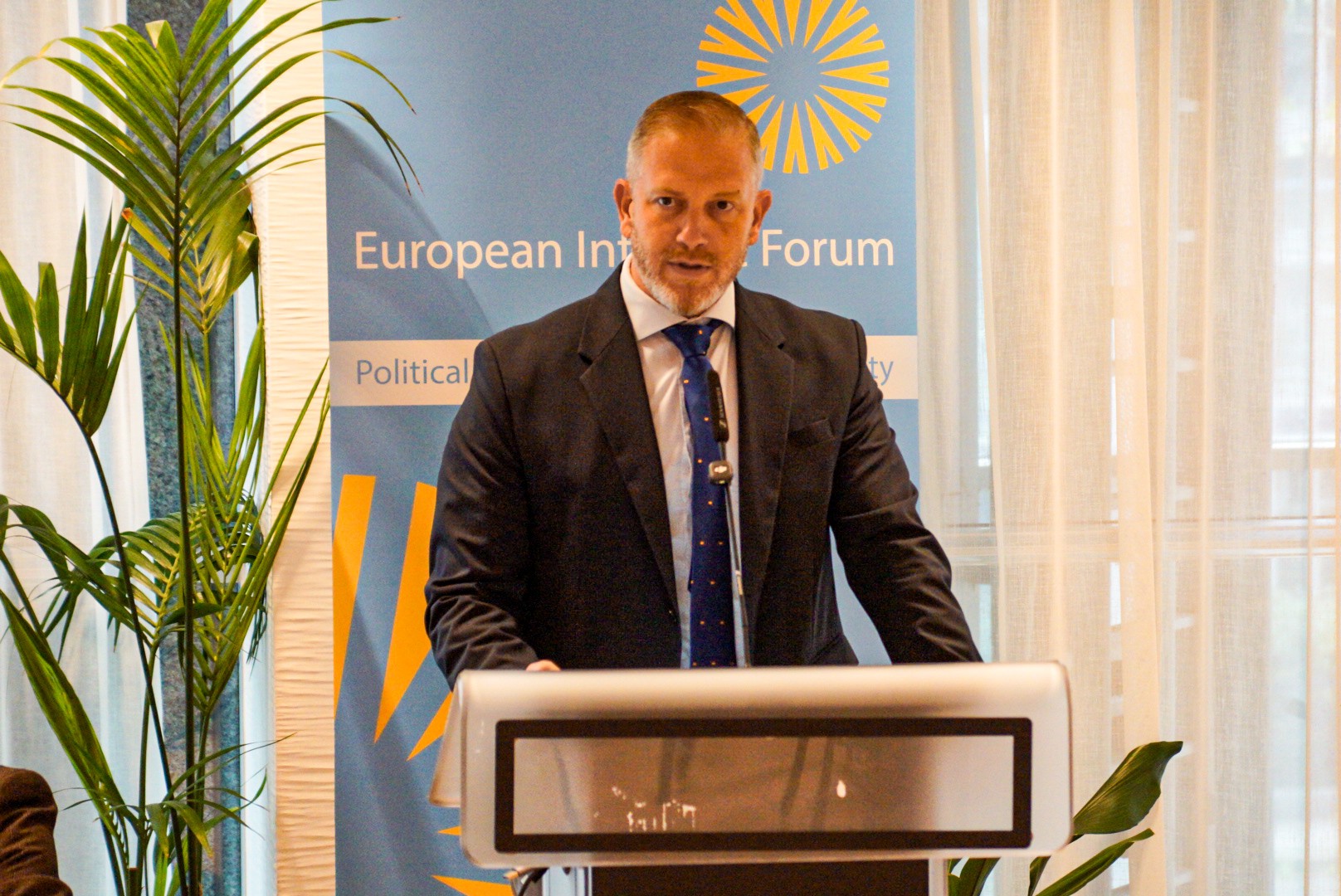
A recent article in techtimes.com questioned my appointment as Lead Rapporteur of the Cloud and AI Development Act (CADA), pointing out that I entered politics barely two years ago.
It is a legitimate debate. And it is worth having.
Before arriving at the European Parliament, I spent more than 20 years working in the technology sector, managing IT infrastructure, leading international teams and experiencing first-hand the challenges of innovation, investment and competitiveness.
For years, European companies have complained that regulations are drafted in Brussels completely disconnected from business and industrial reality.
So shouldn't we welcome more people with real industry experience taking part in the legislative process?
Of course, professional experience alone does not make anyone a good legislator. But the years accumulated in politics should not be the only measure of competence either.
Since 2024, I have worked intensively on industrial, technological, energy and cybersecurity policy. Being entrusted with CADA is a responsibility I intend to back with rigorous work, dialogue and results.
And I want to make something very clear:
CADA will not be drafted by a single person sitting in an office in Brussels.
It must be built by listening to companies, startups, researchers, investors, civil society and colleagues from across the political spectrum.
That is exactly what I am doing.
My ambition is clear: Europe must move from merely regulating technology to building real technological capacity.
More investment. More computing infrastructure. More competitive energy. More opportunities for European companies to scale globally.
And technological sovereignty without technological isolation.
I do not believe a rapporteur's success should be measured by the years they have spent in politics, but by the quality and usefulness of the legislation they help bring forward.
That is the bar by which I want to be judged.
Europe needs to close the gap between those who write the rules and those who have to make them work on the ground.
What do you think? Should industry experience carry greater weight when designing European legislation?