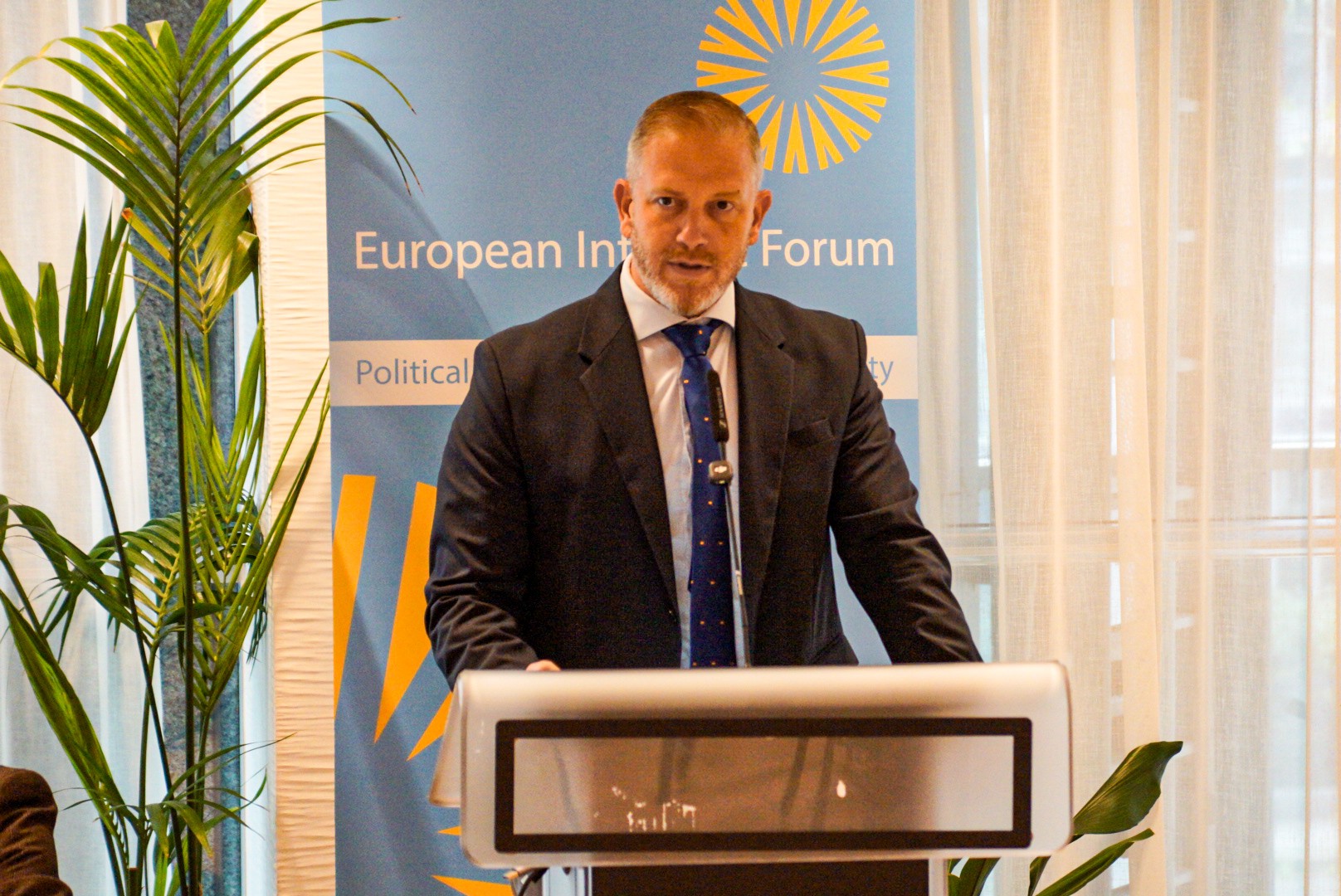
Every technological debate today revolves around artificial intelligence: large language models, generative algorithms, process automation and digital leadership. Yet in forums and round tables we often forget the physical foundation that underpins every calculation. Before discussing regulations or software parameters, the first question we must ask ourselves is a material one: where is that artificial intelligence going to run?
Artificial intelligence does not float in an ethereal vacuum. It requires massive computing power, state-of-the-art data centers, ultra-high-speed connectivity and an enormous, stable energy supply. Europe and Spain are at a critical moment where the risk of falling behind does not come from a lack of ideas or talent, but from the absence of our own sovereign infrastructure to process them.
To address this bottleneck, CADA (the Cloud and AI Development Act) is born, the European Commission's legislative proposal aimed at generating a genuine data center and cloud industry on EU soil.
The pace of technological development is no longer linear; AI imposes an exponential growth curve. If Europe intends to compete and not merely consume technology designed and hosted beyond its borders, it must create the conditions for building and operating data centers to be viable within competitive timeframes. Without our own computing power, any claim to digital autonomy will be mere rhetoric.