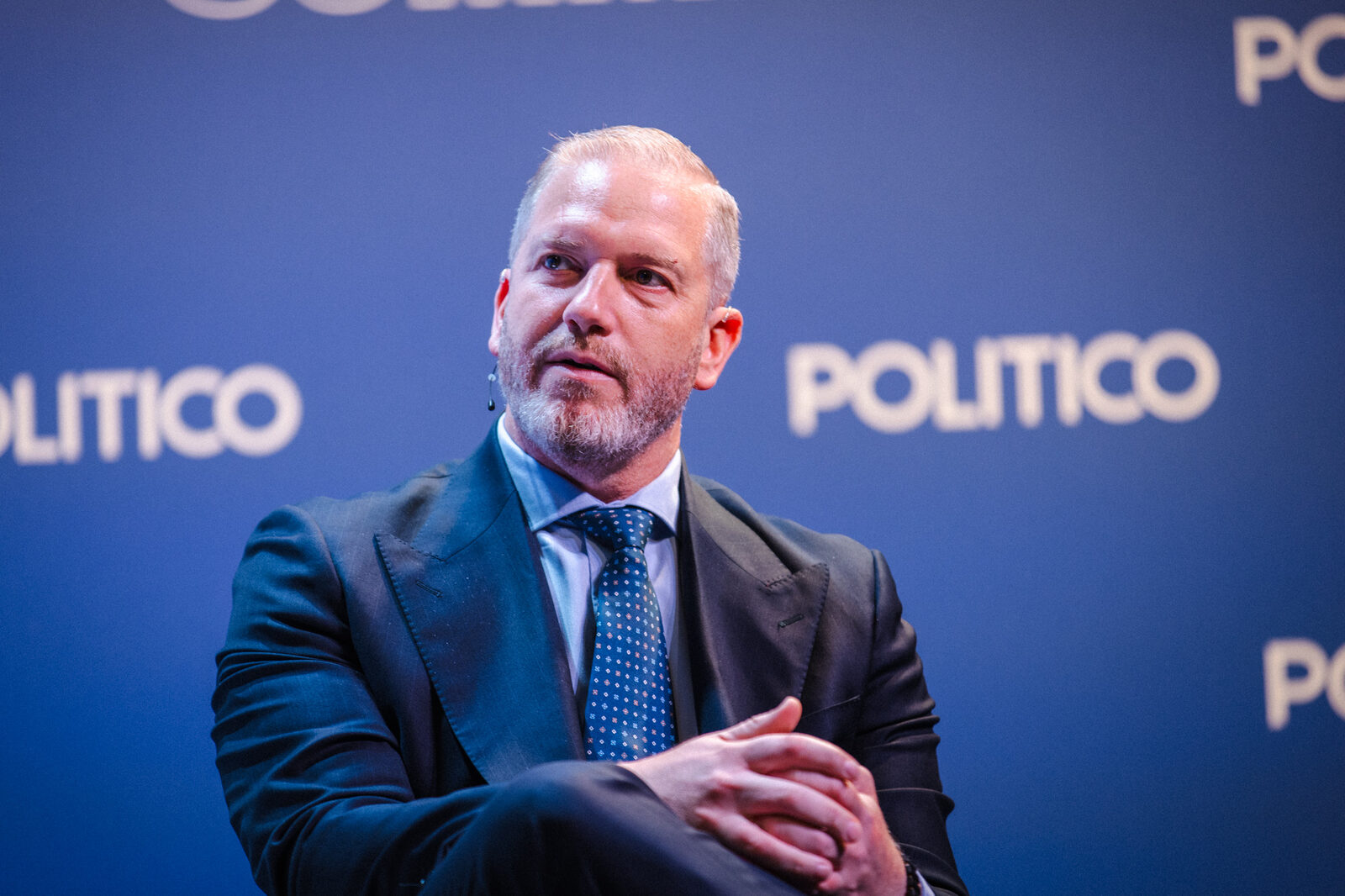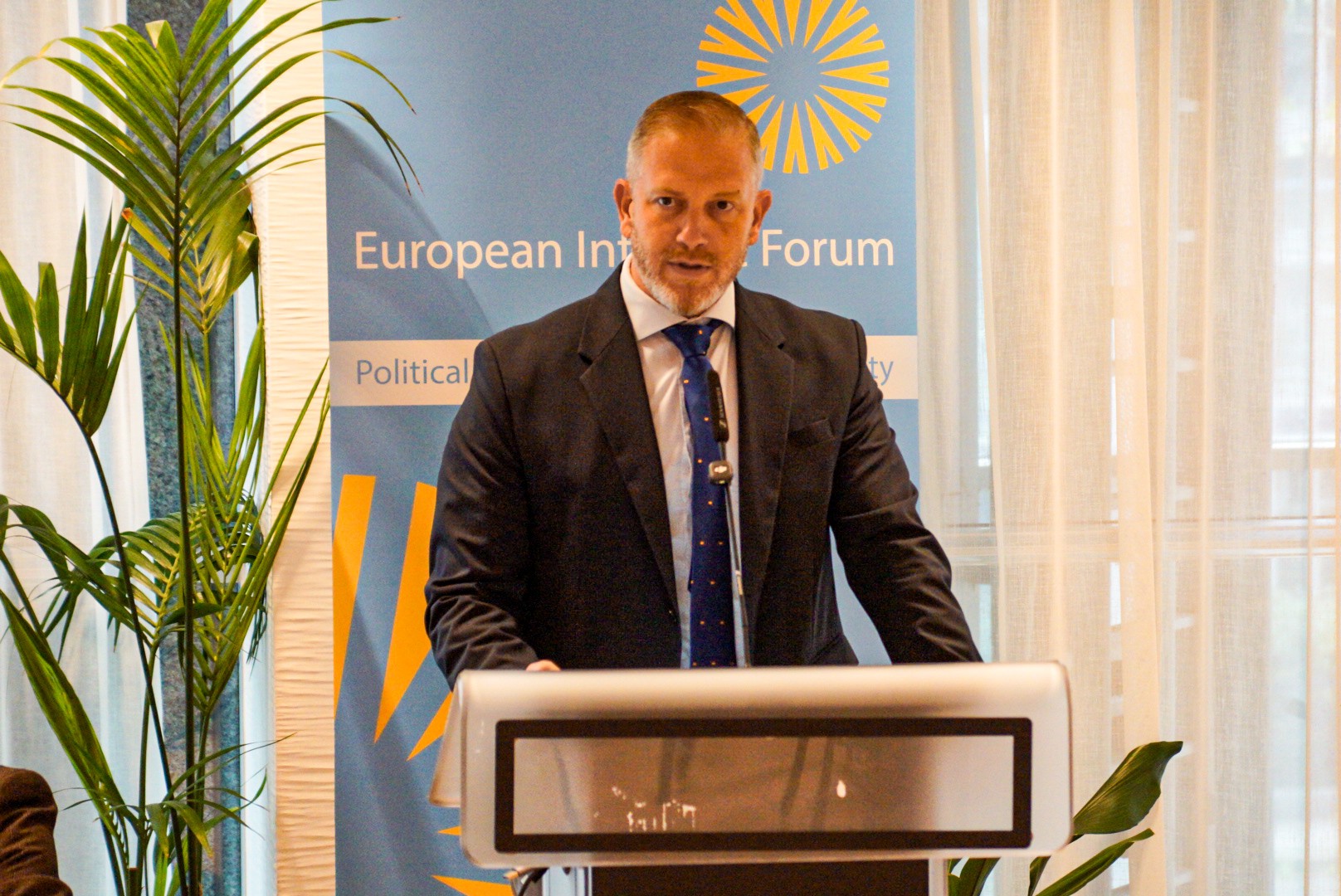
Politico has included me among the 17 European lawmakers to watch in the coming months, in a selection devoted to those who may have influence over some of the main debates that will shape the European Union's agenda.
I am grateful that a leading Brussels publication is putting the spotlight on the work I am carrying out. But I do not see this mention as a personal recognition or as a point of arrival. I see it as an additional responsibility.
The reason is simple: Europe faces technological decisions that will determine its capacity to innovate, compete and protect itself over the coming years.
The publication highlights my role as the European Parliament's lead negotiator on the Cloud and AI Development Act —CADA— and as the ECR Group's point person on the Cybersecurity Act. These are two distinct files, but they answer the same question: do we want Europe to own the technological capabilities it needs to prosper and defend its interests?
Europe cannot limit itself to regulating what others build
For too long, Europe has shown its ability to regulate technologies that, far too often, were developed beyond our borders. We need clear rules, of course. But rules do not replace industry, investment, infrastructure or talent.
If we want European artificial intelligence to be competitive, we must ask ourselves where it is going to be trained, where it is going to be deployed and under what guarantees the data, models and infrastructure that make it possible will operate.
CADA must help answer those questions. Europe needs its own computing and cloud capacity, energy networks capable of sustaining new projects, well-directed private and public investment, and procedures that do not turn every strategic initiative into an administrative maze.
Technological sovereignty does not mean isolating ourselves or rejecting international collaboration. It means not depending entirely on decisions, infrastructure and providers over which we have no capacity to exert influence.
Cybersecurity is no longer a secondary matter
The same logic applies to cybersecurity. Today, protecting networks, data and critical infrastructure means protecting the daily lives of millions of Europeans: from a hospital or a small business to a town council, an energy network or an essential public service.
The Cybersecurity Act must contribute to a Europe better prepared against increasingly sophisticated threats. That requires demanding standards, yes, but also viable tools for companies, especially SMEs; coordination between member states; industrial capacity; and a strategic vision that does not always arrive too late.
We cannot allow digital security to be an incomprehensible burden for those trying to innovate, nor a statement of principles with no real application. It must be an effective, accessible and proportionate capability.
A technology agenda with real impact
Technology is not a debate reserved for specialists nor a distant matter decided solely in Brussels. It affects jobs, the competitiveness of companies, the protection of our data, public services and Europe's ability to defend its values and interests.
That is why I will continue working so that the European digital agenda rests on four principles:
Being included in Politico's list confirms that these debates will be at the center of European politics in the coming months. My commitment is to continue addressing them with independence, rigor and ambition.
Europe must be able to innovate, compete and protect itself. And it must do so without giving up the freedom, security and opportunities that technology can offer citizens.
Politico includes me in its article "The 17 European Parliament lawmakers you should watch", published on 22 September 2026.
I am grateful that a leading Brussels publication is putting the spotlight on the work I am carrying out. But I do not see this mention as a personal recognition or as a point of arrival. I see it as an additional responsibility.
The reason is simple: Europe faces technological decisions that will determine its capacity to innovate, compete and protect itself over the coming years.
The publication highlights my role as the European Parliament's lead negotiator on the Cloud and AI Development Act —CADA— and as the ECR Group's point person on the Cybersecurity Act. These are two distinct files, but they answer the same question: do we want Europe to own the technological capabilities it needs to prosper and defend its interests?
Europe cannot limit itself to regulating what others build
For too long, Europe has shown its ability to regulate technologies that, far too often, were developed beyond our borders. We need clear rules, of course. But rules do not replace industry, investment, infrastructure or talent.
If we want European artificial intelligence to be competitive, we must ask ourselves where it is going to be trained, where it is going to be deployed and under what guarantees the data, models and infrastructure that make it possible will operate.
CADA must help answer those questions. Europe needs its own computing and cloud capacity, energy networks capable of sustaining new projects, well-directed private and public investment, and procedures that do not turn every strategic initiative into an administrative maze.
Technological sovereignty does not mean isolating ourselves or rejecting international collaboration. It means not depending entirely on decisions, infrastructure and providers over which we have no capacity to exert influence.
Cybersecurity is no longer a secondary matter
The same logic applies to cybersecurity. Today, protecting networks, data and critical infrastructure means protecting the daily lives of millions of Europeans: from a hospital or a small business to a town council, an energy network or an essential public service.
The Cybersecurity Act must contribute to a Europe better prepared against increasingly sophisticated threats. That requires demanding standards, yes, but also viable tools for companies, especially SMEs; coordination between member states; industrial capacity; and a strategic vision that does not always arrive too late.
We cannot allow digital security to be an incomprehensible burden for those trying to innovate, nor a statement of principles with no real application. It must be an effective, accessible and proportionate capability.
A technology agenda with real impact
Technology is not a debate reserved for specialists nor a distant matter decided solely in Brussels. It affects jobs, the competitiveness of companies, the protection of our data, public services and Europe's ability to defend its values and interests.
That is why I will continue working so that the European digital agenda rests on four principles:
- Building our own capabilities, instead of accepting permanent dependence.
- Driving innovation, without turning regulation into an unnecessary barrier.
- Guaranteeing security and resilience, for citizens, companies and institutions.
- Ensuring transparency and democratic control, because technological development must serve the general interest.
Being included in Politico's list confirms that these debates will be at the center of European politics in the coming months. My commitment is to continue addressing them with independence, rigor and ambition.
Europe must be able to innovate, compete and protect itself. And it must do so without giving up the freedom, security and opportunities that technology can offer citizens.
Politico includes me in its article "The 17 European Parliament lawmakers you should watch", published on 22 September 2026.