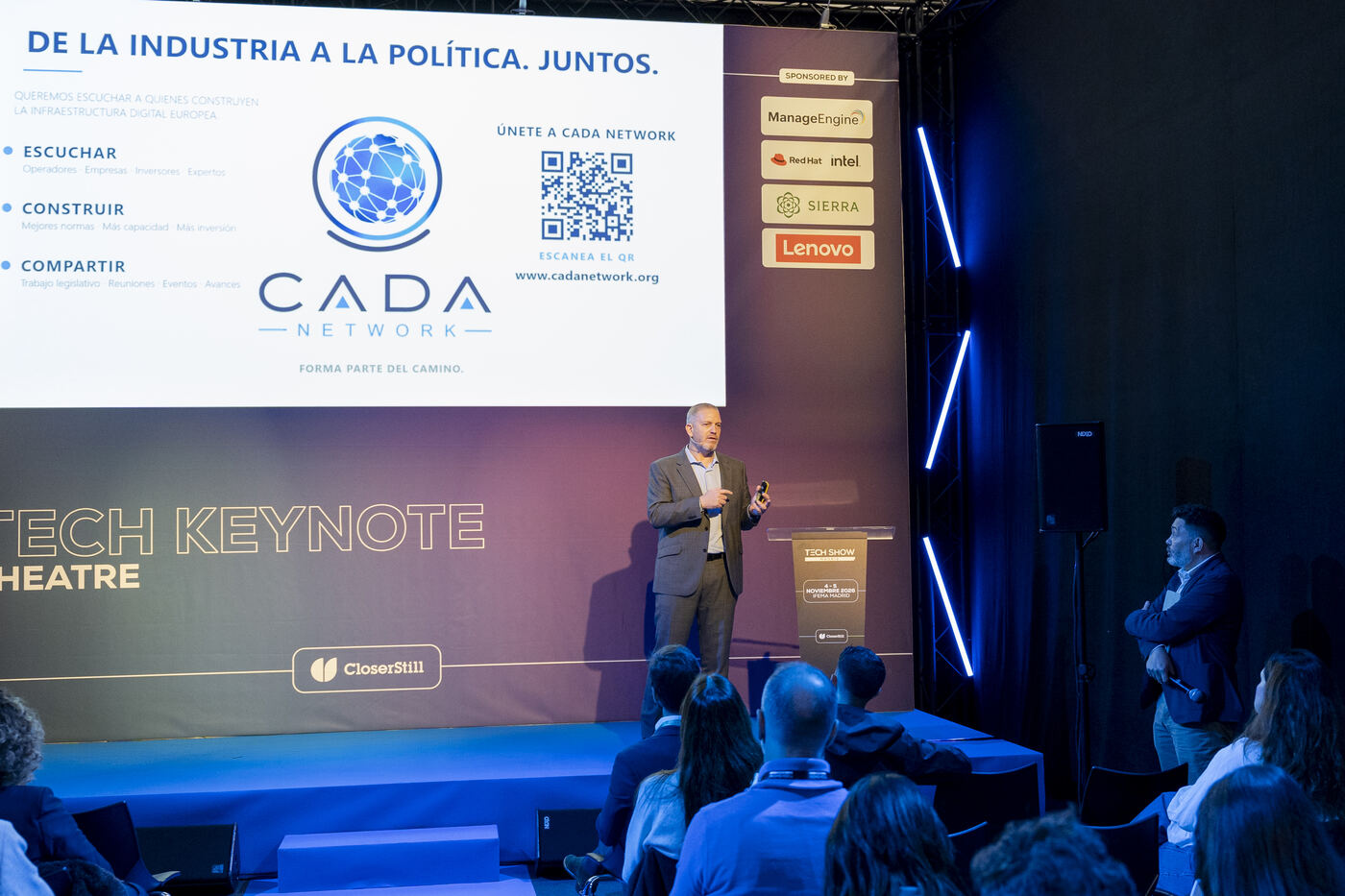
Without energy there is no computing, and without computing there is no artificial intelligence. That is the idea with which I opened my intervention at the Tech Keynote Theatre of Madrid Tech Show 2026, before an audience of executives and professionals from the sector.
I came to Madrid with a message I repeat at every forum, but which takes on a special meaning here: Europe has to stop over-regulating and start building. And Spain, if it does not waste its cards, can place itself at the forefront of European computing. Because we will not have technological sovereignty if we do not have energy sovereignty.
Spain has the ingredients for a Michelin-star dish
I said it plainly: in Spain we have the best ingredients to build a Michelin-star dish. Our geographical position as a hub for submarine cables towards America and Africa, our technological talent and, above all, an average energy cost below the European average thanks to a mix of renewables, nuclear and combined cycle.
That is the factor that will make the difference. The rest of the variables for building a data centre will be practically the same in Italy, France, Germany or Poland. What sets us apart is the cost of energy. And in an economy where computing —the cost of the token— will become one of companies' main expenses, that advantage changes everything. If we manage to make the token and computing in Spain the cheapest in Europe, the concentration of data and computing here will be very significant.
But the ingredients can burn. That is why I issued a warning about the royal decrees currently being processed: we cannot let investment move to Portugal, which is doing very well and could end up hosting the data centres using even our cheap energy. National regulation has to listen to industry and not scare off investment.
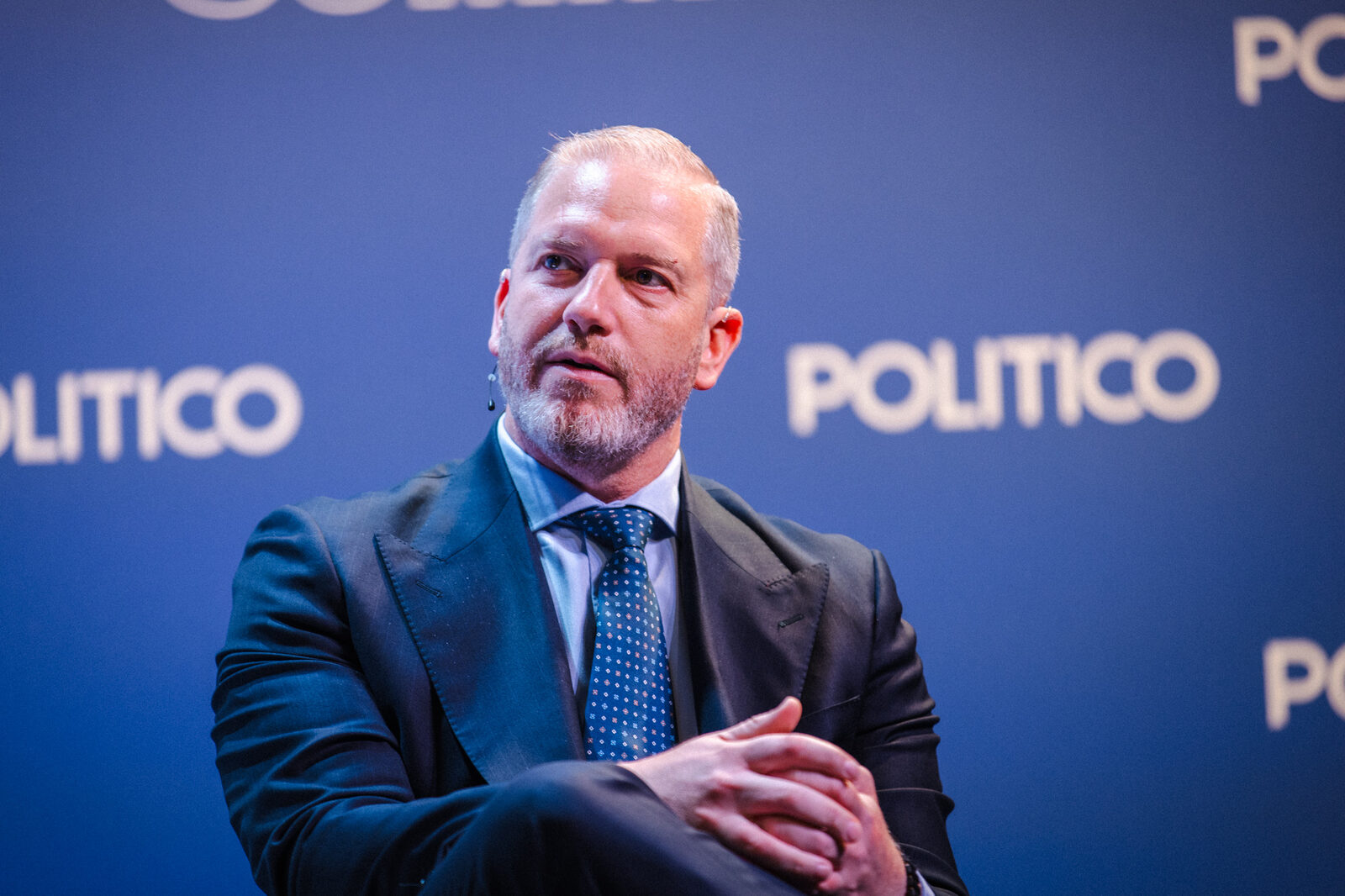
Diego Solier during his intervention at the Tech Keynote Theatre of Madrid Tech Show 2026
Speed so as not to frighten the investor
European public and private investment will not be enough to build all the capacity the continent needs, and much of the capital leaves because of a lack of certainty. If an investor has to wait seven years for their investment to start paying off, they will take their money elsewhere.
As rapporteur for the Cloud and AI Development Act (CADA) in the Committee on Industry, Research and Energy (ITRE), I defend one of its central tools: the acceleration zones. These are designated areas in each country where construction permits, grid access and energy availability are guaranteed for the data centre industry. The goal is to shorten the path from the moment the data centre is built to the moment it is connected to the grid and producing computing power. A fast-track procedure that only exists on paper accelerates nothing.
Sovereignty is not isolation
Today around 80% of Europe's computing load is in the hands of large non-European providers, over which the Union has no full political control. CADA proposes four levels of sovereignty, from the current market standard to a level that requires European companies, decision-making centres and support staff.
I argue that these levels should be applied according to the criticality of each piece of data and service, not according to the company's sector. The service managing the municipal swimming pool, which can be down for a day, is not the same as the one running a city's traffic lights, where five minutes can mean chaos.
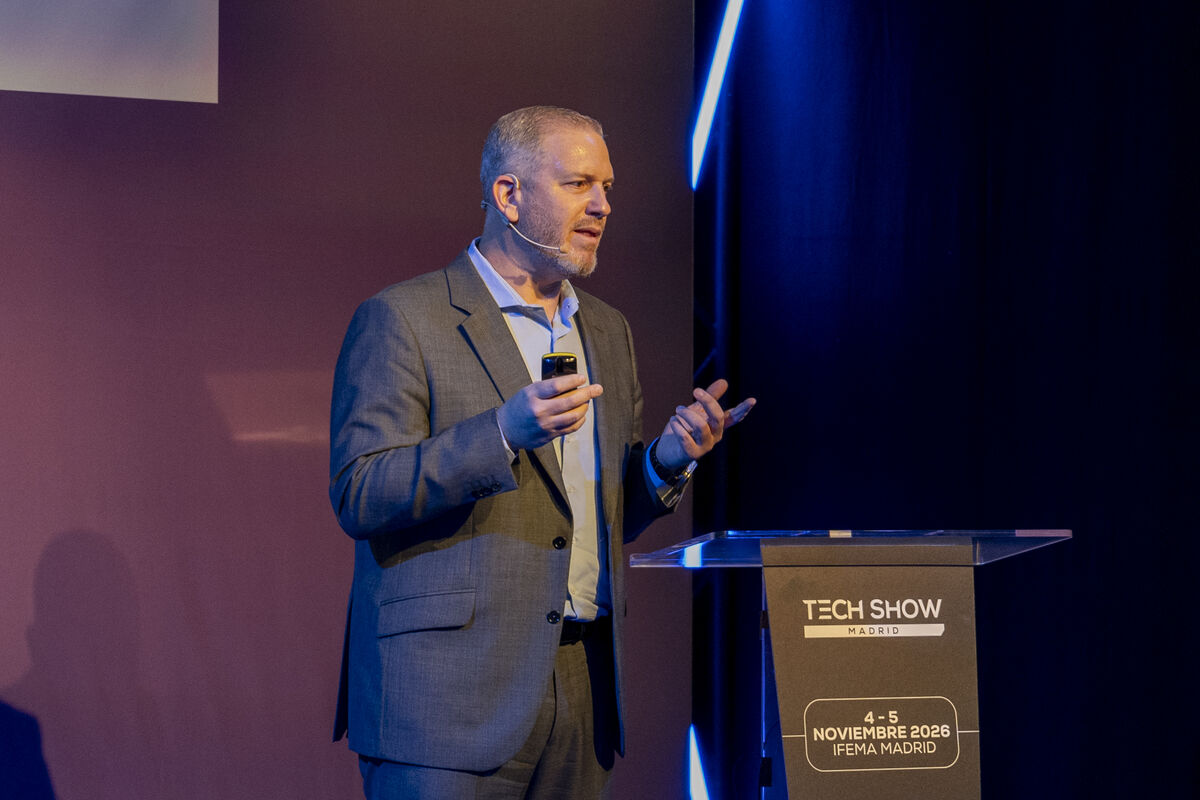
Diego Solier during his presentation at Madrid Tech Show 2026
Europe cannot isolate itself. It has to work along two lines at once: to keep growing and maintaining alliances with the major players in the technology industry, while at the same time starting to build its own technological ecosystem. Sovereignty is not isolating yourself; it is having the capacity to decide when it really matters.
Stop over-regulating and start building
After more than twenty years leading technology teams in the private sector, I hold a clear conviction: what Europe needs is to stop regulating and over-regulating and to start genuinely building its future through technology. And to simplify certifications, so that a company certified in Spain can operate in France or Germany without certifying again.
The file remains open. In the coming days my team will send the draft report to the committee; afterwards will come the groups' amendments, the votes and the negotiation with the Council and the Commission. There is still time to correct what the Commission has sent us, and that is why I invite companies, associations and experts to take part through CADA Network, the dialogue platform with industry that I am driving from Parliament.
Spain has the ingredients. Now it is time to cook the dish without letting them burn.